
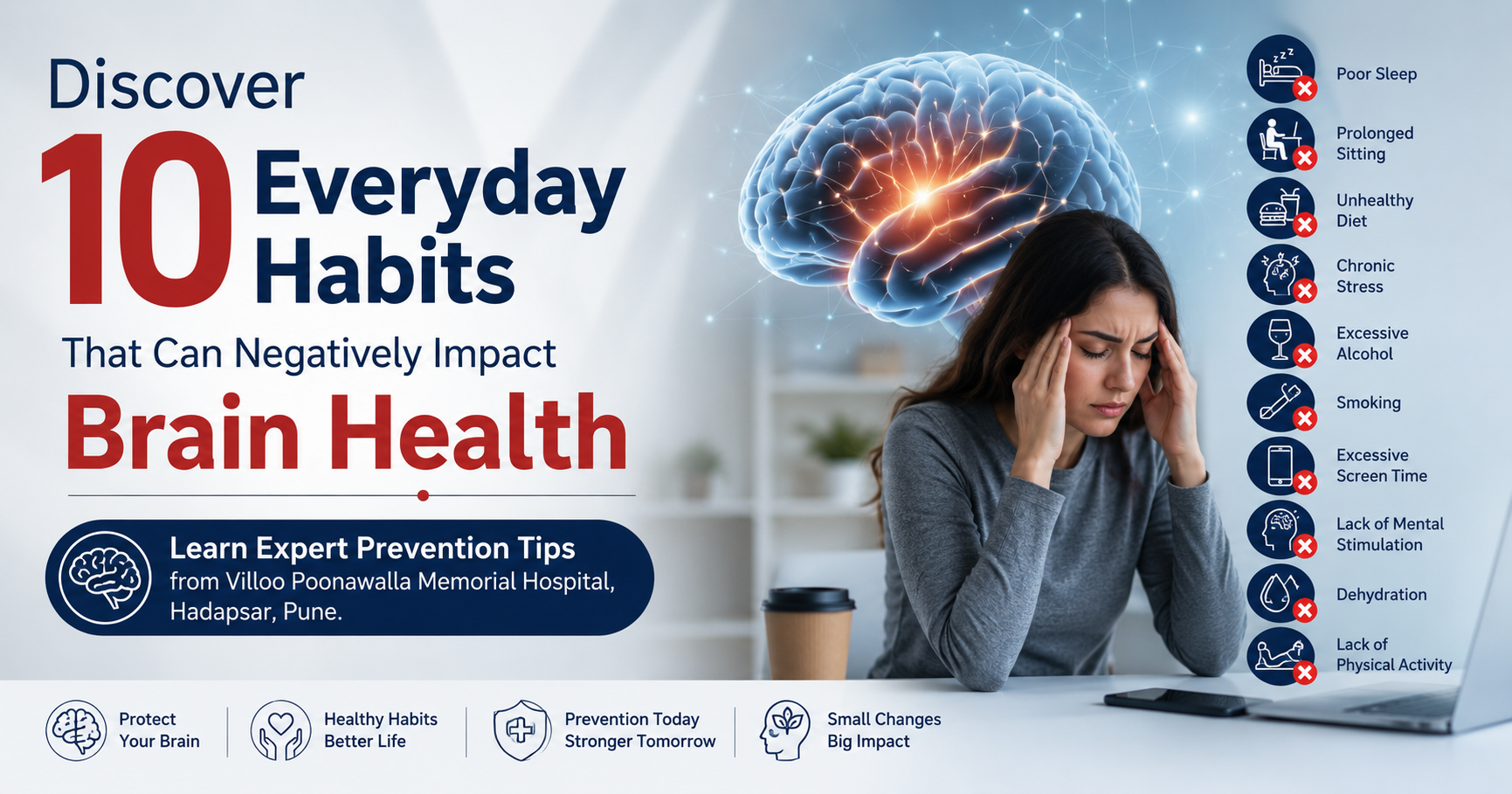
Your brain is one of the most complex and vital organs in the body, responsible for controlling memory, emotions, learning, decision-making, and every movement you make. While people often prioritize heart health and physical fitness, brain health is equally important for maintaining independence and quality of life.
Many neurological disorders develop gradually over time, often influenced by daily lifestyle choices. Fortunately, adopting healthy habits can significantly reduce the risk of cognitive decline and support optimal brain function throughout life.
At Villoo Poonawalla Memorial Hospital (VPMH), Hadapsar, Pune, we believe that prevention, early awareness, and healthy living are the cornerstones of lifelong neurological wellness. Here are ten everyday habits that may silently affect your brain—and practical steps you can take to protect it.
1. Not Getting Enough Sleep
Sleep is essential for repairing brain cells, consolidating memories, and removing toxins that accumulate during the day. Chronic sleep deprivation can impair concentration, reduce productivity, increase stress, and may contribute to long-term cognitive decline.
What You Should Do
- Sleep for 7–9 hours every night
- Maintain a consistent sleep schedule
- Avoid caffeine and electronic devices before bedtime
2. Living a Sedentary Lifestyle
Physical inactivity reduces blood circulation to the brain, limiting oxygen and nutrient supply. Regular exercise improves memory, enhances concentration, and supports the growth of healthy brain cells.
Healthy Recommendation
Aim for at least 150 minutes of moderate exercise each week, including walking, cycling, yoga, or swimming.
3. Following an Unhealthy Diet
A diet high in processed foods, refined sugars, saturated fats, and excessive salt may increase inflammation and negatively affect cognitive function over time.
Brain-Friendly Foods
Include more:
- Fresh fruits
- Green leafy vegetables
- Whole grains
- Nuts and seeds
- Fish rich in Omega-3 fatty acids
- Healthy oils such as olive oil
4. Ignoring Chronic Stress
Persistent stress triggers the release of cortisol, a hormone that can negatively impact memory, learning, and emotional well-being when elevated for prolonged periods.
Stress Management Tips
- Practice mindfulness meditation
- Deep breathing exercises
- Spend time outdoors
- Engage in hobbies you enjoy
- Seek professional support when needed
5. Spending Too Much Time on Digital Screens
Excessive screen exposure may contribute to mental fatigue, poor sleep quality, headaches, reduced attention span, and digital eye strain.
Protect Your Brain
Follow the 20-20-20 Rule:
Every 20 minutes, look at an object 20 feet away for 20 seconds.
6. Smoking and Excessive Alcohol Consumption
Smoking damages blood vessels supplying the brain, while excessive alcohol consumption can impair memory, coordination, and decision-making.
Health Advice
Avoid tobacco products completely and consume alcohol only in moderation, if at all.
7. Staying Dehydrated
Even mild dehydration can affect mood, concentration, alertness, and cognitive performance.
Daily Goal
Drink 2–3 litres of water daily, depending on your activity level and medical condition.
8. Not Challenging Your Brain
Just as physical exercise strengthens muscles, mental stimulation keeps the brain active and healthy.
Keep Your Mind Active
- Read regularly
- Solve puzzles
- Learn a new language
- Play strategic games
- Develop a new hobby
- Continue lifelong learning
9. Social Isolation
Meaningful social interactions stimulate brain activity and support emotional resilience. Prolonged isolation has been associated with reduced cognitive function in older adults.
Stay Connected
- Spend quality time with family
- Meet friends regularly
- Participate in community activities
- Join social or hobby groups
10. Ignoring Medical Conditions
Conditions such as hypertension, diabetes, obesity, high cholesterol, and sleep disorders can significantly increase the risk of stroke and cognitive impairment if left untreated.
Preventive Care Matters
Schedule regular health check-ups to monitor:
- Blood pressure
- Blood sugar
- Cholesterol levels
- Weight
- Heart health
Warning Signs That Require Medical Attention
Seek immediate medical evaluation if you experience:
- Sudden memory loss
- Difficulty speaking
- Persistent confusion
- Weakness or numbness on one side of the body
- Loss of balance
- Severe or recurrent headaches
- Vision disturbances
- Personality or behavioural changes
Early diagnosis and timely treatment can significantly improve outcomes.
Simple Habits for a Healthier Brain
✔ Sleep adequately every night
✔ Exercise regularly
✔ Eat a balanced diet
✔ Stay hydrated
✔ Manage stress effectively
✔ Avoid smoking and excessive alcohol
✔ Keep learning new skills
✔ Maintain social connections
✔ Control diabetes, hypertension, and cholesterol
✔ Schedule routine health check-ups
Expert Healthcare at Villoo Poonawalla Memorial Hospital
At Villoo Poonawalla Memorial Hospital (VPMH), Hadapsar, Pune, we are committed to promoting preventive healthcare and overall well-being through comprehensive medical services and patient education. Our experienced multidisciplinary team focuses on early detection, lifestyle counselling, and evidence-based treatment to help individuals maintain lifelong health.
If you are experiencing persistent neurological symptoms or have concerns regarding memory, concentration, or cognitive health, consult a qualified healthcare professional for a comprehensive evaluation.
Frequently Asked Questions (FAQs)
1. What are the early signs of poor brain health?
Early symptoms may include forgetfulness, difficulty concentrating, mood changes, poor sleep, confusion, and reduced mental clarity.
2. Can lifestyle changes improve brain health?
Yes. Regular exercise, balanced nutrition, quality sleep, stress management, and mental stimulation all contribute to better brain function.
3. Which foods are beneficial for brain health?
Foods rich in antioxidants, Omega-3 fatty acids, vitamins, and minerals—such as leafy vegetables, berries, nuts, fish, and whole grains—support cognitive health.
4. Does physical exercise benefit the brain?
Absolutely. Exercise improves blood circulation, supports new brain cell formation, enhances memory, and reduces the risk of cognitive decline.
5. When should I consult a doctor?
You should seek medical advice if you experience persistent memory loss, speech difficulties, sudden weakness, severe headaches, confusion, or balance problems.
Why Choose Villoo Poonawalla Memorial Hospital?
- Experienced Multidisciplinary Specialists
- Advanced Diagnostic Facilities
- Comprehensive Preventive Healthcare
- Patient-Centred Medical Care
- Modern Infrastructure
- Conveniently Located on Solapur Road, Hadapsar, Pune
Book Your Health Consultation Today
Villoo Poonawalla Memorial Hospital
Solapur Road, Hadapsar, Pune – 411028
📞 Call: +91 788-788-7070
🌐 Website: https://villoopoonawallahospital.com
Take care of your brain today—because a healthy mind is the foundation of a healthy life.